Evidence-based practice and integration
EMS evolved from transport-focused services to clinically sophisticated systems integrated with hospital networks, technology, and national quality initiatives.
Source: PubMed Article
NHTSA reassessed Connecticut's EMS system, following the 1991 initial assessment. The report documented the revitalization of the Office of EMS under Commissioner Joxel Garcia after the mid-1990s downsizing that had abolished the EMS Director position, noting that EMS legislation was passed and staffing increased from eight to thirteen FTEs.
NHTSA conducted reassessments of EMS systems in Nevada and South Dakota, evaluating progress since initial assessments and identifying ongoing challenges in rural and frontier EMS service delivery.
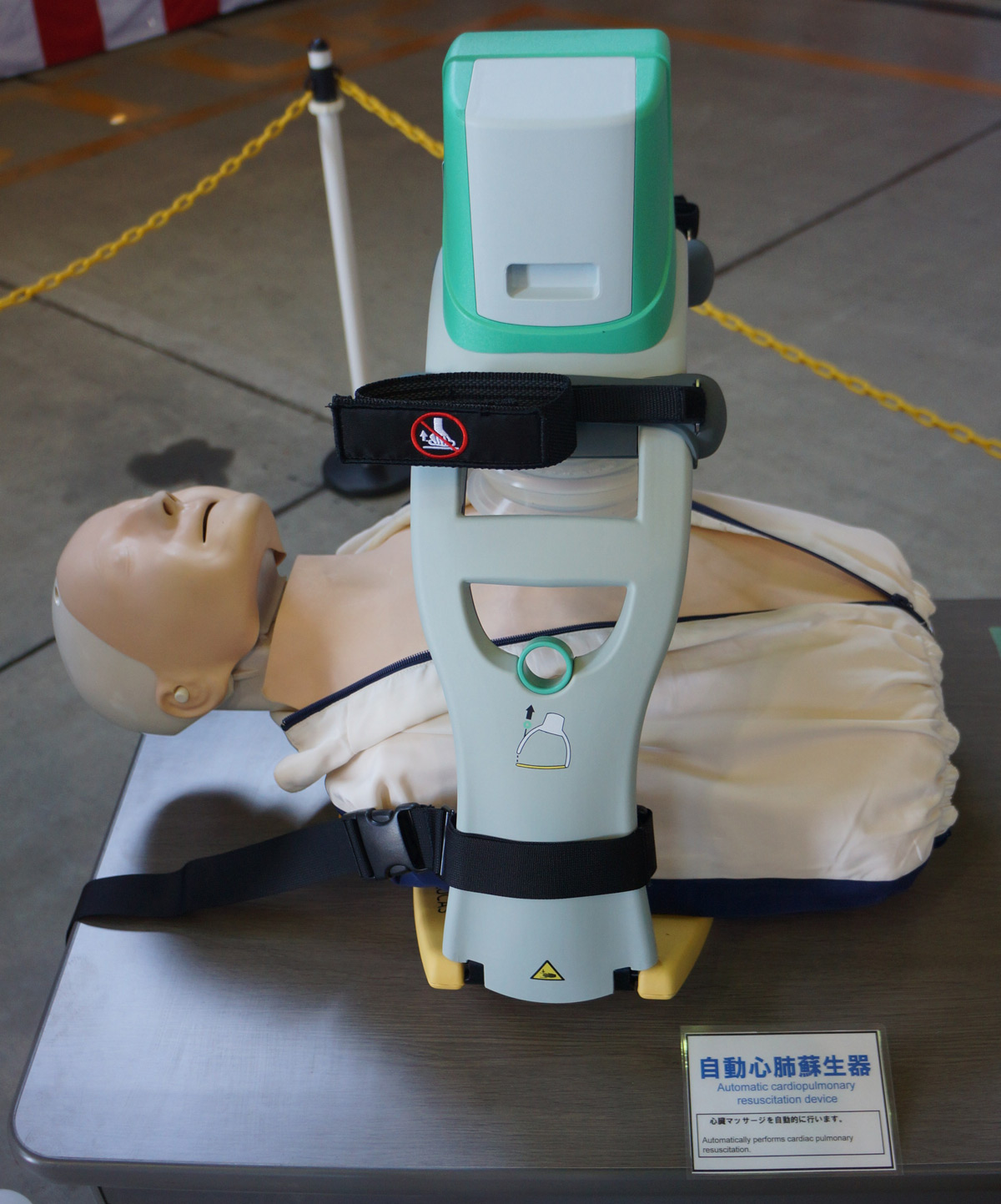
Image: LUCAS CPR device demonstration (JASDF, 2014). Source: Wikimedia Commons
NHTSA technical assessments of Maine and Mississippi documented the distinct challenges facing EMS in northeastern rural systems and southern states, contributing to the growing body of evidence on regional EMS disparities.
NHTSA reassessed Maryland's EMS system, evaluating progress on prior recommendations and examining the state's integrated EMS-trauma system model, medical direction infrastructure, communications systems, and workforce development.
Source: JEMS – The Chaos of Katrina
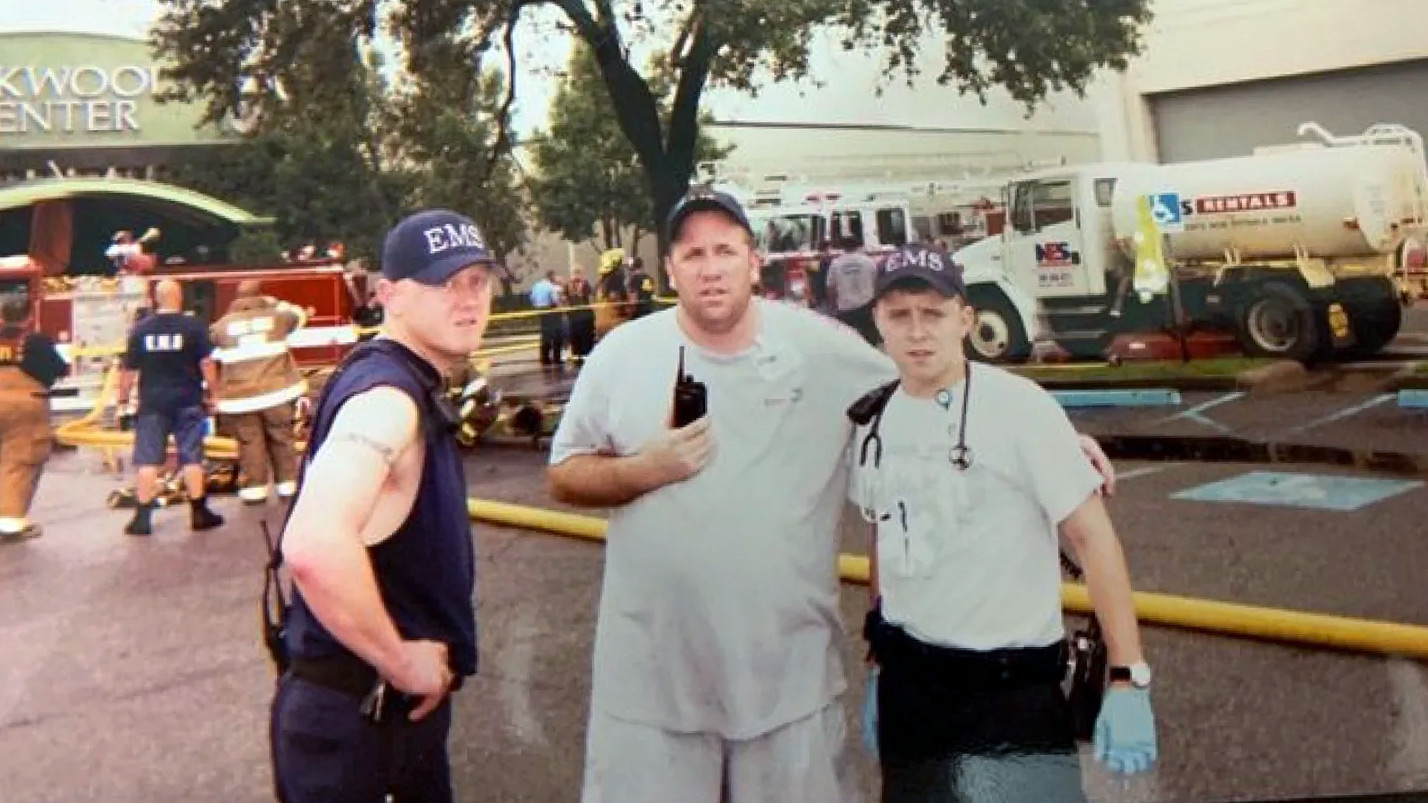
Image courtesy of the National EMS Museum
NHTSA reassessed Montana's EMS system, fourteen years after the 1991 initial assessment. The Technical Assistance Team found the Section 'unable to address many of the 1991 recommendations' due to chronic underfunding and staffing limitations. Despite trauma enabling legislation passing in 1995, it remained inadequately funded, and no state EMS medical director, statewide protocols, functional data system, or completed statewide EMS plan existed.
Learn moreNHTSA conducted needs assessments in Nebraska and Oregon, examining EMS system capacity in states with significant rural and frontier service areas. The reports documented challenges in workforce recruitment, response times, and system funding.
NHTSA reassessments of Kansas and Michigan evaluated EMS system maturation in both a rural Great Plains state and a large industrial Midwest state, documenting progress and persistent challenges in system coordination and funding.
Colorado received a legislative EMS report and Oklahoma underwent a NHTSA reassessment, both documenting the ongoing evolution of state-level EMS systems. These assessments highlighted workforce sustainability, funding mechanisms, and the integration of EMS into broader healthcare systems.
NHTSA conducted its second reassessment of Nevada's EMS system, following the 1991 initial assessment. The report examined a state of geographic and demographic extremes, where well-resourced urban centers contrasted with rural volunteer agencies struggling to staff two EMT-Basics, and documented OEMS staffing shortfalls, declining volunteerism, and informal hospital relationships.
NHTSA reassessed Missouri's EMS system, following the 1994 initial assessment. The report highlighted the pioneering Time Critical Diagnosis System — a first-in-the-nation law authorizing regionalized systems of care for trauma, stroke, and STEMI. The Technical Assistance Team noted the system was at a crossroads, needing to shift from a local to statewide perspective as regionalization demanded cooperation across diverse communities.
NHTSA reassessed Ohio's EMS system, reviewing progress since the 2001 reassessment. The report noted that 11.5 million Ohioans depended on an EMS system that had evolved over forty years, but the lead agency lacked clear uniform regulatory authority, safety belt fine revenues were declining, and data repositories had not been fully transformed into useful policy information.