Texas EMS Conference · Fort Worth · November 23, 2026
Your State License Already Works in 25 States. Are You Using It?
The U.S. EMS Compact Explained
Donnie Woodyard, Jr., MAML, NRP, WP-C
Executive Director, Interstate Commission for EMS Personnel Practice
A scenario
A Texarkana paramedic takes a call that ends on the Arkansas side of State Line Avenue.
Is she practicing legally?
When I submitted this title, it was 25.
Today it is 28.
Valid in 27 states today,
including three of our four neighbors.
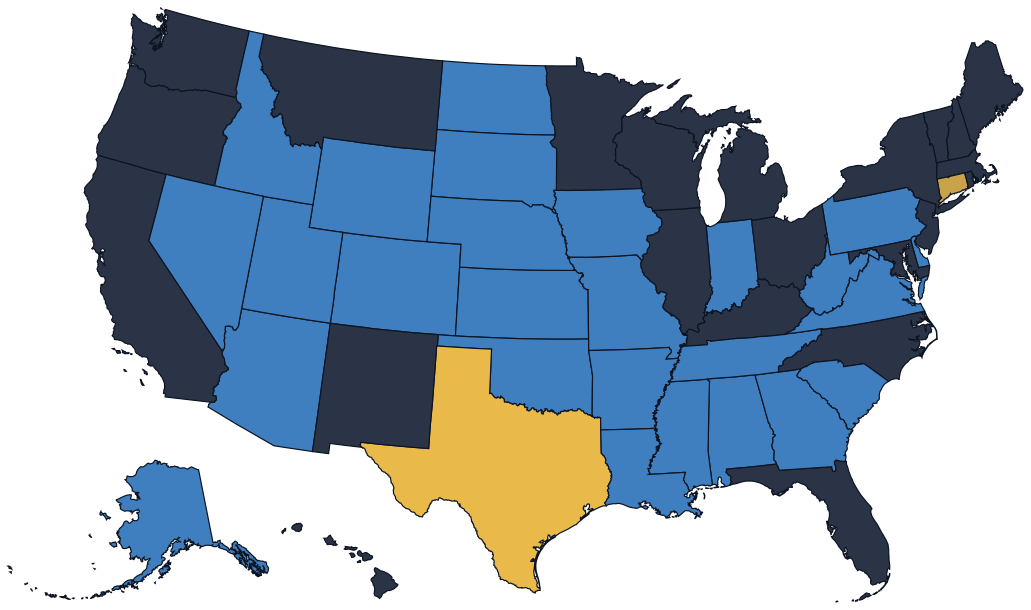
Texas
Operational member state
Enacted, not yet operational
Not a member
Your license already works.
That part is settled. Now let me show you how to actually use it.
Are you using it?
Raise your hand if you have worked a shift under your Privilege to Practice.
Before we talk about the EMS Compact
What is an interstate compact?
A contractual agreement between states, written into each state's own law.
A compact is three things at once.
1 · Constitution
The U.S. Constitution recognizes agreements between states.
Compact Clause, Article I, Section 10, Clause 3
2 · Law
Each legislature passes the same text as its own statute.
In Texas, it is codified like any other Texas law
3 · Contract
Once enacted, it binds every member state to the others.
No single state can rewrite the terms on its own
You already live under compacts every day.
Driving
A speeding ticket in Oklahoma follows you home to Texas.
Driver License Compact · Texas 1993
Oil and gas
States coordinate conservation of oil and gas production.
Interstate Oil and Gas Compact · Texas 1935, a founding member
Insurance
One review approves life and annuity products in many states.
Interstate Insurance Product Regulation Compact · Texas 2005
Education
Military kids keep their credits when the family moves.
Military Children Compact · Texas 2010
Disasters
States send responders and equipment across state lines.
Emergency Management Assistance Compact · Texas 1997
Water
The Rio Grande is shared by formula with Colorado and New Mexico.
Rio Grande Compact · Texas 1939
37
Texas belongs to 37 interstate compacts.
The oldest dates to 1935.
EMS joined in 2015.
Texas Health and Safety Code
Chapter 778A
Emergency Medical Services Personnel Licensure Interstate Compact
HB 2498 · Signed into law September 1, 2015 · Texas was the second state to enact
It is not new. It is not a pilot. It is Texas law.
Texas passed it without a single no vote.
The EMS Compact works the same way: state law and a contract between states.
Authorized by the Compact Clause, U.S. Constitution, Article I, Section 10, Clause 3
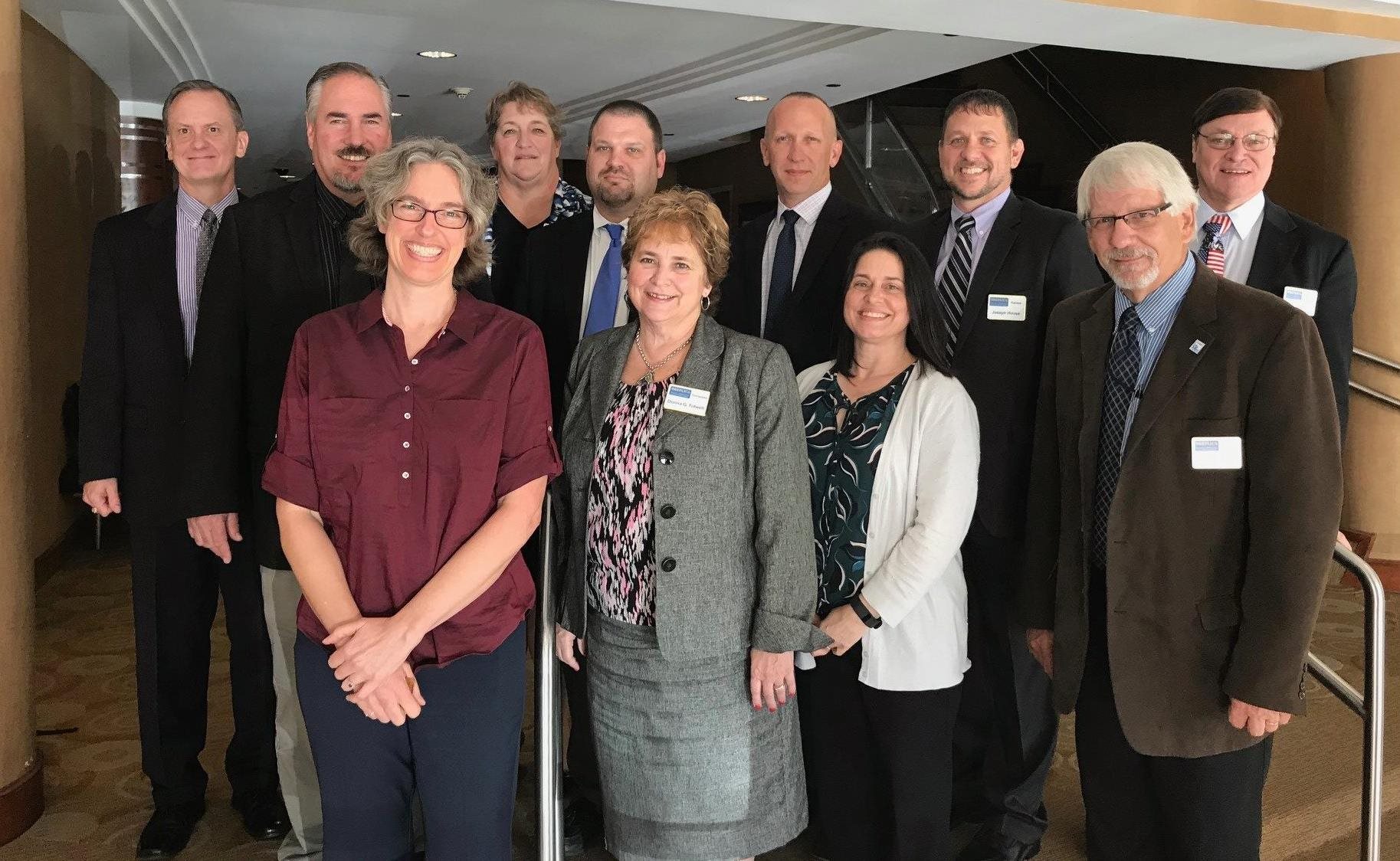
One state, one vote.
Texas's Joe Schmider served as the Commission's first Chair, from 2017 to 2022.
Inaugural Commissioners, Interstate Commission for EMS Personnel Practice, 2017
Who governs it
The Interstate Commission is a government body.
A public agency
Created by the Compact statute in every member state.
Accountable to the states that created it
A commissioner per state
Appointed by the governor or the governor’s designee.
Each state has an equal vote
One voice for EMS
Between the states, and with federal and military partners.
A single table for multistate EMS policy
Mobility was the benefit.
Protection was the design.
FBI fingerprint checks and the National Registry exam for every new license.
Discipline shared within two business days.
Before the Compact
The law let the ambulance cross the line.
It never covered the clinician inside it.
Mutual aid exemption
A bordering-state agency may respond into Texas under written mutual aid.
25 TAC §157.11(c)(4) · covers the agency license, not your license
Interlocal contracts
Texas cities and counties may contract with local governments in another state.
Gov’t Code ch. 791 · a service contract cannot license a person
EMAC
Licenses are recognized across state lines, but only in a governor-declared emergency.
Emergency Management Assistance Compact · not for an ordinary Tuesday
Day to day, no law answered the question: is the person in the back licensed where the patient is?
Reciprocity: apply, pay, wait.
The Privilege to Practice: already yours.
A remote state may not require a separate license from a qualified clinician.
The National Gold Standard.
485,000
Active licenses in the national database
50
States whose residents hold a Compact-state license
98%
Legislative yes votes, 3,551 of 3,636
Your license already works.
There is nothing to activate.
No application. No fee.
No expiration date.
No emergency required.
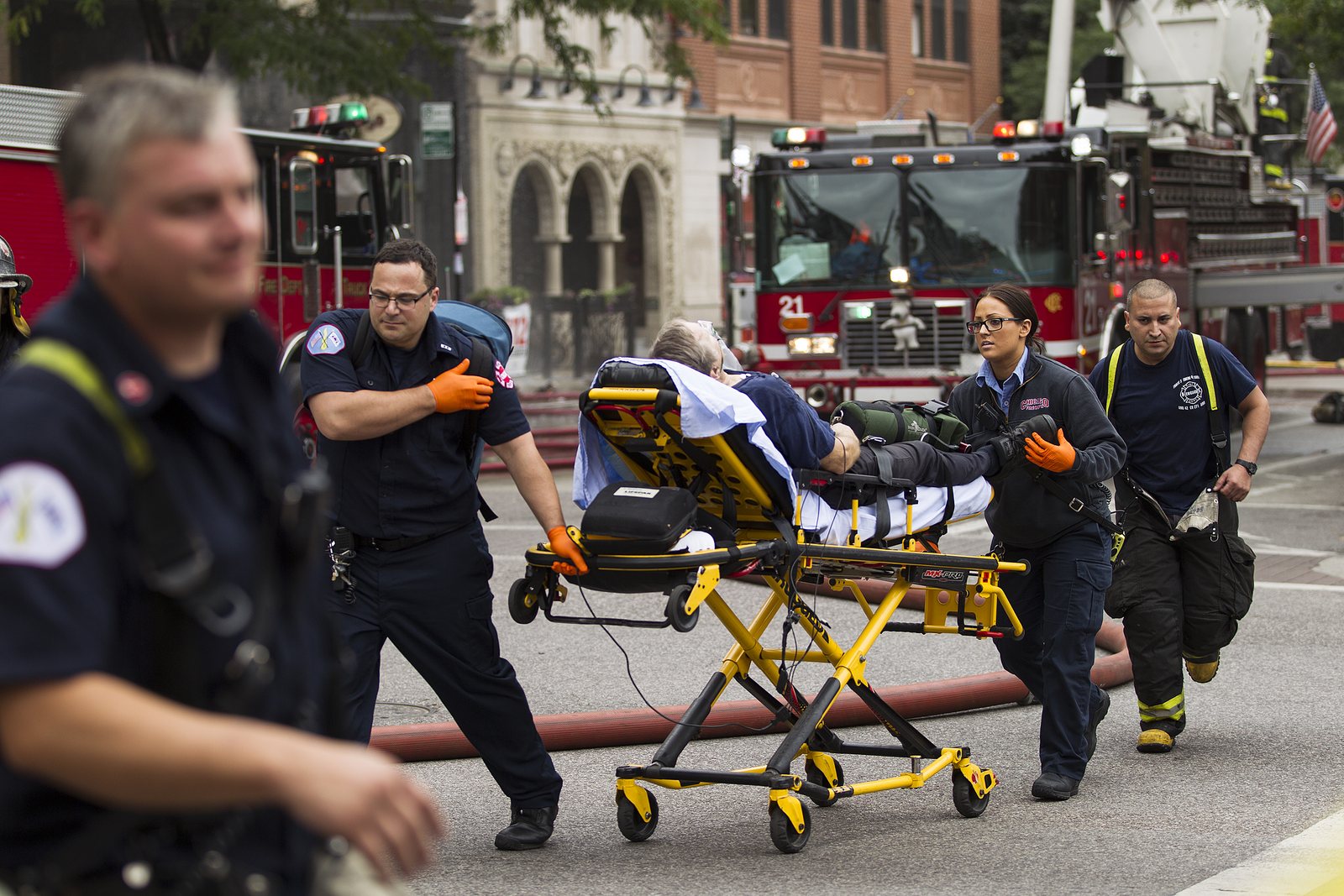
What makes it real
Three things, and only three.
- 1A current, unrestricted EMT, AEMT or Paramedic license from a member state
- 2Age 18 or older
- 3An EMS agency authorized in that state, with physician medical direction
Photo: Scott L, via Wikimedia Commons, CC BY-SA 2.0
Your Home State is where you are licensed, not where you live.
You can have more than one.
A Remote State is any member state where you hold no license.
The Home State trap
EMT in Texas. Paramedic in Colorado.
In Texas, you work as an EMT.
In Oklahoma, you work as a Paramedic.
A state license always beats the privilege in the state that issued it.
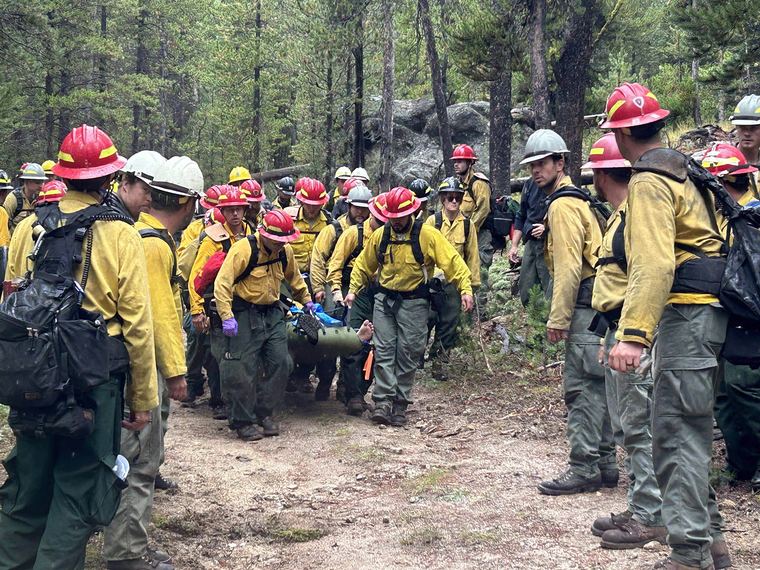
There are no free agents
under the Compact.
No self-deployment.
On a transport for your agency, your privilege crosses the line with you.
Go on your own, and your agency stays home.
Your license travels.
The local protocols govern.
Like a driver's license: recognized everywhere, but you drive the local speed limit.
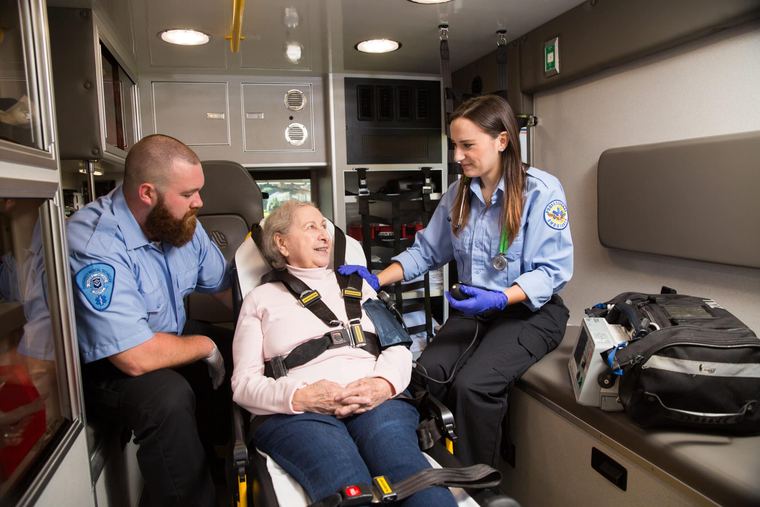
Your state licenses you.
Your agency still credentials you.
Hiring standards, orientation, protocol review and competency checks stay local.
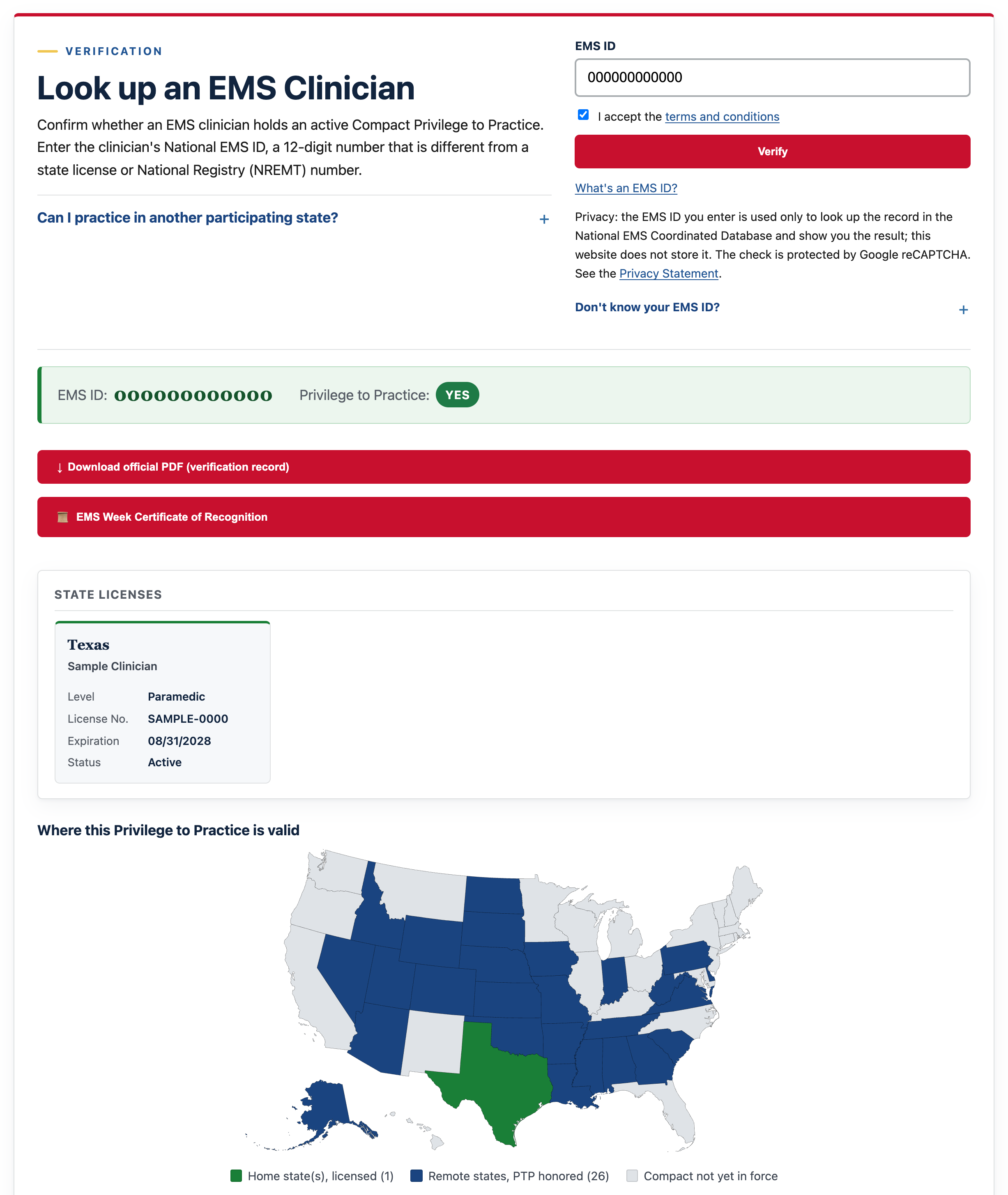
Check yours before you need it
emscompact.gov/verify
Enter your 12-digit National EMS ID. It is in your NREMT account or your state licensing portal.
Sample test record shown. Your EMS ID is not your state license number or your NREMT number.
What you get
Download the record. Carry the card.
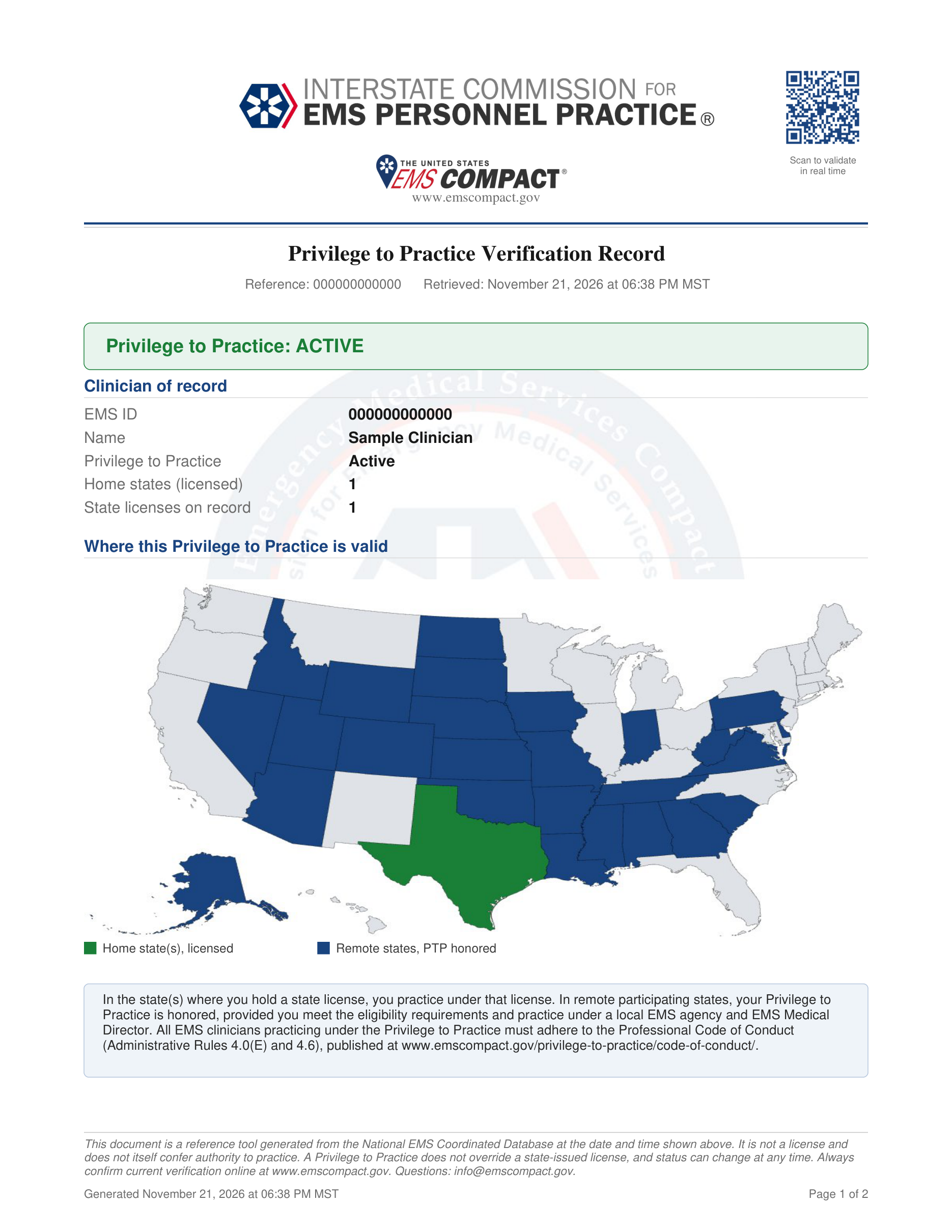
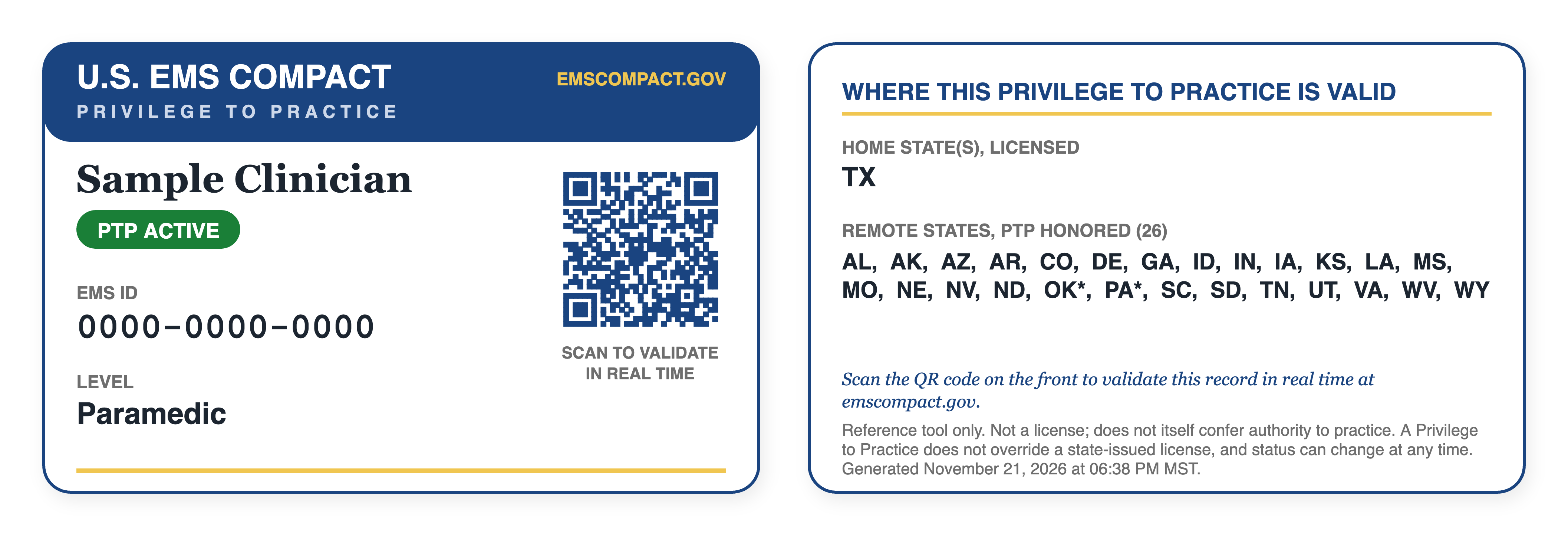
A one-page verification record with a QR code anyone can scan, and a wallet card to keep with you.
Monday morning
Find your 12-digit EMS ID tonight and verify your status.
The rules follow you
across the line.
One state can suspend your privilege everywhere.
Only Texas can act on your Texas license.
Every privilege also carries a binding Professional Code of Conduct.
Four myths worth retiring today
"It replaces my Texas license."
It sits on top of it.
"I have to apply."
It is automatic.
"It only works in a disaster."
It works every day.
"It is only good for a few days."
There is no time limit.
Your license already works.
Does your agency know it?
Agencies never have to use it.
But it is available to every agency.
If you use it, verify, and routinely monitor,
each clinician's privilege through the national database.
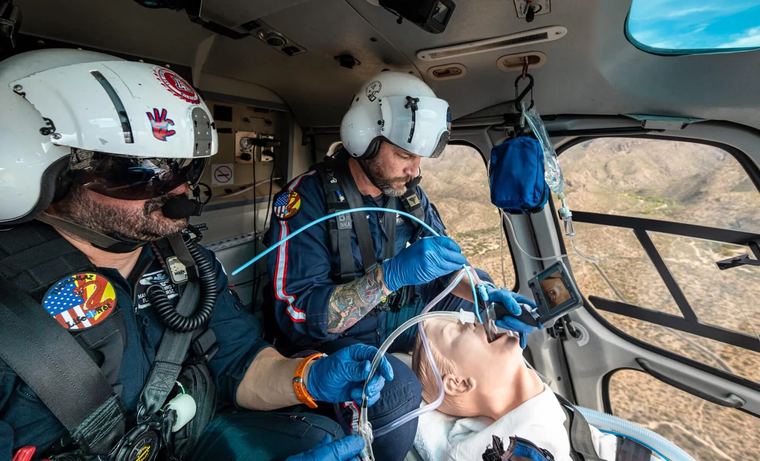
How agencies use it
- Recruit from 26 states.
- Staff across the border.
- Deploy without a declaration.
- Rotate staff to grow and to recover.
Mountains, inner city, frontier, rural, heat, cold.
New experience, and a break from burnout.
Handshake agreements
do not override state law.
COPCNs, agency licensing and service areas are unchanged.
An out-of-state agency still needs Texas authorization.
Monday morning
Leaders: decide how you will use it.
Clinicians: download your verification.
Educators: teach the privilege in every initial EMT and paramedic course.
It is federal law
When a military family moves between member states, the Compact governs.
Federal law defers to the Compact: 50 U.S.C. §4025a.
The Department of War is a strong partner.
Advancing the Compact is one of its priority policy goals.
The National Registry opens the door.
Your state license keeps it open.
The NREMT exam is required for initial licensure.
Current certification is not required to keep your privilege.
Occupational licensure in Texas
In Texas, EMS led the way.
2017
Nurses
(enhanced compact)
Of the health licensure compacts in force in Texas today, EMS was enacted first.
CMS Rural Health Transformation Program · CMS-RHT-26-001
Compact membership now scores in federal rural health funding.
- $50 billion over five years
- Membership scores as a state policy action (Factor D.2)
- Eight governors pledged to enact; Alaska and Arizona have
Source: Executive Director's report, Commission meeting, August 19, 2026
Federal Register · 91 FR 63650 · October 6, 2026
The federal blood plan names the Compact as a national goal.
- FICEMS goals for nationwide prehospital blood transfusion by the end of 2028
- “Participation from at least 51 states and territories in the National EMS Licensure Compact”
Source: NHTSA, for the Federal Interagency Committee on EMS, Request for Information: Nationwide Implementation of Prehospital Blood Transfusion
Back to Texarkana
She is legal, if her license is clean, her agency is authorized in Arkansas, and she follows its protocols.
Your license already works in 26 other states.
Are you using it?
Thank you. Questions?
Donnie Woodyard, Jr., Executive Director, Interstate Commission for EMS Personnel Practice
emscompact.gov · info@emscompact.gov · ems-history.com · linkedin.com/in/donwoodyard

emscompact.gov